
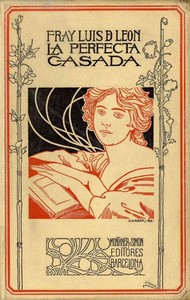
La perfecta casada by Luis de León
Written in 1583, La perfecta casada (The Perfect Wife) isn't a novel. It's a conduct manual. Fray Luis de León, a celebrated poet and theologian, wrote it as a wedding gift for his niece, María Varela. The book walks through the biblical figure of the 'virtuous woman' from Proverbs 31, using her as a blueprint.
The Story
There's no traditional storyline. Instead, Fray Luis builds his ideal, chapter by chapter. He starts with the wife's core duty: loving and obeying her husband completely. From there, he maps out her entire world. She should be the guardian of the home, managing servants with firm kindness and keeping a meticulous house. He talks about how she should dress (modestly, without vanity), how she should raise her children (with strict discipline and religious instruction), and even how she should spend her money (frugally, always saving for the future). Her social life is to be minimal; her true domain is within the household walls. The book paints a picture of a woman whose strength and honor come entirely from her private, domestic service.
Why You Should Read It
Don't read this for life advice. Read it as a key to understanding a mindset. Fray Luis wasn't a cartoon villain; he was a thoughtful man trying to create order and sanctity. That's what makes it so compelling. You feel his sincere desire to protect women from what he saw as the dangers and frivolities of the outside world. But you also can't miss the cage he's building. The tension is incredible. As a modern reader, you'll constantly be having a silent argument with the text, which is a fantastic way to engage with history. It also gives stunning context to the literature of its time—now you know exactly what expectations a character like Don Quixote's niece, or any woman in a Golden Age play, was up against.
Final Verdict
This is a book for the curious. It's perfect for readers interested in social history, women's studies, or the Spanish Golden Age. If you've ever read classics like Don Quixote or the works of Saint Teresa of Ávila and wanted to understand the social fabric of that world, this is a primary source. It's also a short, direct read. Just be ready: it’s less of a gentle conversation and more of a vivid, 400-year-old debate you get to have with one of Spain's great minds.
This historical work is free of copyright protections. Enjoy reading and sharing without restrictions.
Lucas Flores
1 year agoNot bad at all.
Susan Clark
2 years agoThis book was worth my time since it challenges the reader's perspective in an intellectual way. Truly inspiring.
Ava King
1 year agoNot bad at all.
Paul Miller
7 months agoAmazing book.


Michael Hernandez
1 year agoFrom the very first page, the emotional weight of the story is balanced perfectly. Absolutely essential reading.