
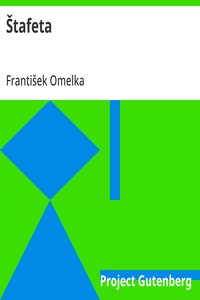
Štafeta by František Omelka
Alright, book lovers—let me tell you about a dusty masterpiece I stumbled upon. Štafeta (that means 'relay race') by František Omelka is one of those rare finds that feels both old and new. Published in 1938, it’s a gripping story about a small Czech village barely surviving the Great Depression. This book is a hidden gem that will tug at your heartstrings and keep you on edge.
The Story
František Kraus is a young man trapped by what his family owes. When his father dies, the debt passes to him, and the only way out looks like winning the local relay race—the štafeta. The prize? A farm. The problem? The old rules are shredded thanks to a mysterious new sponsor. Suddenly, the race becomes an alibi for hidden anger, blackmail, and compromises no one wants to admit. As František trains, he discovers his teammates may not have his back, and a wealthy widow seems to be pulling the strings. Turns out, everyone fears losing face, freedom, or security. In a nail-biting finale, František must decide if he'll run the ‘right way’ for the money, or break the unwritten code of the village to save his soul. The true finishing line isn't a finish line at all.
Why You Should Read It
I love this book because it does what the best classic novels do: makes you root for a character so real you think he’s your neighbor. Omelka writes with a sharp eye for class divides—how poverty can make people bend their morals, and how pride can bridge or break people apart. There’s no big country drama, but the small, personal sacrifices feel heroic. František is not a tough-guy lead; he’s anxious, clumsy, and keeps making the wrong decisions. And you’ll see a bit of yourself in that messy hope. Also, the setting is vintage Czech provincial life, with racing-club bravado and simple traditions. You can almost taste the dusty roads and smell the chalk mark on the relay baton.
Final Verdict
Perfect for readers who love heartfelt sports novels mixed with a quiet mystery—think The Boys in the Boat meets The Prince of Tides, but more compact. Ideal for history buffs wanting a real slice of life from 1930s Central Europe, or anyone up for a story that proves the struggle for dignity never changes. Don't let the unknown title intimidate you. It’s a short, fast race of a read. If you miss this book, you weren't paying attention.
This title is part of the public domain archive. Knowledge should be free and accessible.
Ashley Jones
8 months agoGiven the current trends in this field, the breakdown of complex theories into digestible segments is masterfully done. It’s a comprehensive resource that doesn't feel bloated.
Richard Jackson
6 months agoThe peer-reviewed feel of this content gives me great confidence.
Thomas Wilson
3 weeks agoThought-provoking and well-organized content.
Christopher Garcia
6 months agoThis work demonstrates a clear mastery of contemporary theories.